

Why do towels lose their softness and how to prevent it?
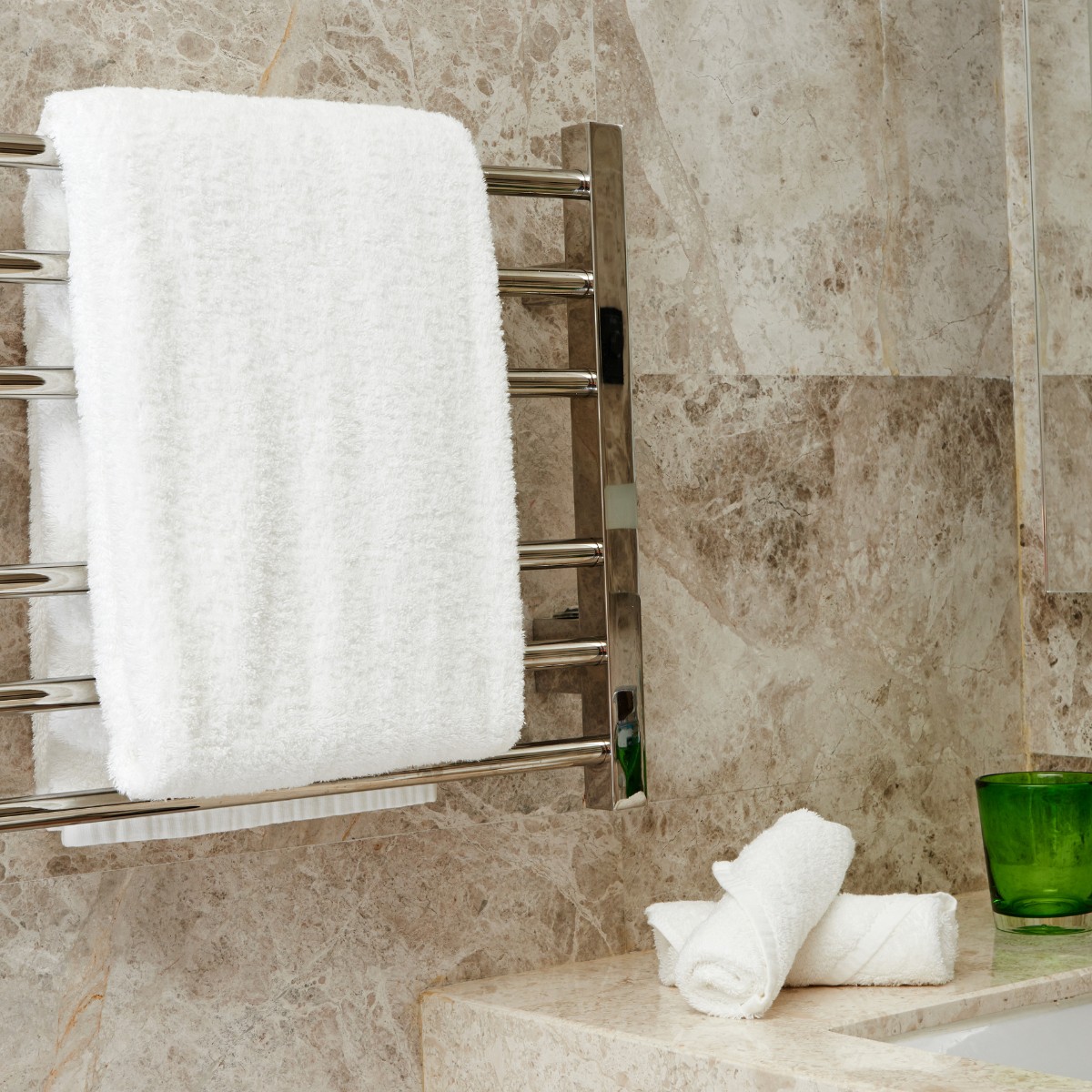
Why our towels are losing their softness?
The loss of properties of towels is most often caused by their improper care. It may be too frequent washing or washing at the wrong temperature. The problem may lie in the detergents - if you use too much washing powder, its residue settles on the fibers and the towel becomes stiff and less absorbent. While it may seem that the softener adds softness, it often has the opposite effect. It forms a layer that makes the towel less absorbent. Some softeners may even reduce the drying ability, making it damp for a longer period of time. Hard water, rich in calcium and magnesium, can also be one of the most inconspicuous enemies of your towel's softness. Minerals contained in hard water settle on its fibers, making them rough. Over time, these deposits can accumulate, significantly affecting the structure and comfort of the towel.
How to wash towels to make them soft and fluffy?
Don't forget the first wash!
Towels are demanding textiles, so first you need to prepare them properly to enjoy their properties. The first washing is important for several reasons - towels brought from the store may be dusty, as well as on their surface there are residues of chemical ingredients and dyes that were used in their production. It is also a good idea to soak new towels especially cotton and terry towels in cold water for a few hours beforehand. Such treatment helps to increase their absorbency by loosening and opening up the fibers. When it comes to securing color fastness, a good way is to add a small amount of vinegar to water. The best time for this will be the rinsing phase. After this step, the towels will also not become electrified.
Wash towels separately and segregate them by color!
By separating your towels from your clothes, you will provide them with more specialized treatment that will preserve their structure and avoid damage to them. When washed with other items, they can easily pull through buttons, zippers or even the rough seams of other clothes, so it's important that they are washed separately. Towels, especially those made of terry cotton, have the ability to absorb a lot of water, making them much heavier when washed. If they are mixed with clothes that are lighter it can interfere with the even distribution of weight in the drum of the washing machine, resulting in uneven washing. Then there may be an unpleasant smell, and the detergent will not rinse out as it should. Segregation by color will prevent possible staining of fabrics.
Remember the right wash temperature!
Avoid high temperatures, which can damage the fiber structure. To preserve the fluffiness of the fabric, it is recommended to wash at 40°C or 60°C. The first of these values is ideal for towels with intense colors. A program for delicate fabrics or a standard cotton program usually gives the best results, as this minimizes the risk of creasing or damaging the towel, including when spinning. For towels made of microfiber, those quick-drying or sports towels, it is recommended to wash at temperatures below 40°C, due to their greater sensitivity to elevated temperatures. However, short programs and those that use little water, such as ecological programs, are not advisable.
How often to wash towels?
The frequency of washing depends on the intensity of use and the purpose of the towel, so it is good to do it regularly not only to preserve their properties, but also for hygienic reasons. The ones we use to wipe our hands or face get wet more often, which is associated with odor and the accumulation of bacteria. Drying them alone is not enough, so they should be washed significantly more often than bath towels. These, in turn, should be well hung up and thoroughly dried.
Proper drying of towels
Drying towels outdoors is one of the best ways to keep them fresh and soft. Shake them out first before hanging them up, and make sure they are laid out flat to ensure even drying and avoid creases. Avoid drying towels in full sunlight for long periods of time, as this can cause color fading and roughness.
Another good method is tumble drying, so they will be as soft and pleasant to the touch and absorbent for a long period of time, and there will be no question of unpleasant odor. The drying temperature should not exceed 60°C.
What fabric would be best for a towel?
Classic cotton, valued for generations for its unmatched qualities, is considered one of the best materials for towels. Its exceptional absorbency makes towels made of this material effectively absorb water, speeding up the process of drying the skin after a bath or shower. In addition, classic cotton is a natural material that does not cause irritation, so it is especially recommended for people with allergies and sensitive skin. We have a wide range of cotton towels available in multiple color options that are soft, absorbent and extremely stylish.
Another highly valued material is bamboo, which has unique properties. Bamboo towels, like those made of cotton, are characterized by excellent absorbency. What's more, bamboo naturally has antibacterial properties, which translates into a lower risk of bacterial growth and unpleasant odors on the towel. We invite you to discover our wide range of products bamboo towels .
If you want resilience and high strength, choose egyptian cotton towels , which our store also offers. Egyptian cotton is known worldwide for its long fibers, which translate into a durable and soft fabric. What's more, the Egyptian cotton yarn is not subject to fading, which means it retains its original appearance for a long time. It also does not create pollen, making it allergy-friendly. Another important advantage is that the fabric becomes softer with each successive wash, which translates into even greater comfort.