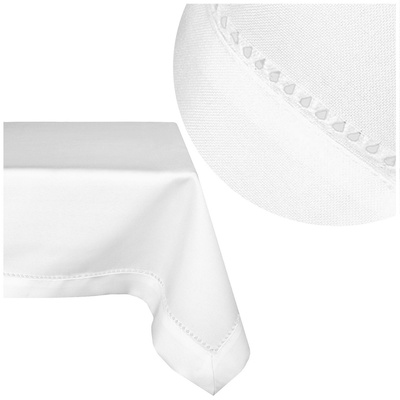

Jak prać obrusy?
Life is so much easier when tablecloths, runners, napkins and table mats are ready to use right away. However, in order to enjoy beautiful, fragrant and clean fabrics, it is necessary to take proper care of their washing and maintenance. One of the biggest problems that can be encountered when using table linen is stains, which can effectively ruin the aesthetics of the table.
How to wash table linen?
Each tablecloth, runner or napkin requires proper treatment during washing to maintain its appearance and functionality. Modern tablecloths are made from a variety of materials, from traditional cotton and linen to modern synthetic fabrics such as polyester or viscose. Also available are stain-resistant tablecloths. A key step is always to check the washing instructions label, which specifies exactly how the product should be cared for.
How to wash tablecloths in the washing machine
Program selection: It is recommended to choose a gentle wash cycle in cold water (up to 30 degrees Celsius), with a maximum of 600 spin speed. Such a program minimizes the risk of fabric damage, which is especially important for delicate fabrics such as silk or lace.
Detergents: Avoid strong chemicals. Delicate detergents designed for washing colored or white fabrics will be suitable. Remember to avoid fabric softeners, which can cause discoloration and weaken fabric fibers.
Rinse: Remember to rinse the fabric of the tablecloth thoroughly.
Hand washing tablecloths - what to do?
Soaking: Before hand washing, it is a good idea to soak the tablecloth in lukewarm water with a mild detergent. Soaking for 15-30 minutes will loosen the dirt.
Laundry: Gently rub the fabric, especially in areas with stains. Do not twist or wring the fabric too much to avoid damaging the fibers.
Drying: Dry tablecloths flat to avoid stretching the material. For hand washing, drying in the shade or in a well-ventilated room is the best choice.
Removing stains from tablecloths - time is of the essence
Table linen is particularly vulnerable to stains from food and drink. Stains from wine, sauces, coffee or grease can be difficult to remove, especially if they have dried up. Here are some tips on how to effectively deal with stains:
Early action: The best way to remove a stain is to act quickly. Soak the fabric as soon as the stain appears. Many stains, even difficult ones, can be removed with a standard wash if they don't have time to dry out.
Specialized measures: In the case of stubborn stains, it is worth reaching for specialized stain removers available on the market. Modern detergents are effective and can often save the most stained tablecloths.
Home remedies: Grease stains can be removed with talcum powder or potato flour, which absorb grease. Red wine stains can be neutralized with salt or white wine, then wash the fabric as usual.
How to refresh a tablecloth?
Over time, our tablecloths can lose their original luster - white tablecloths can yellow and colored ones can fade. If you want to enjoy them for as long as possible, it's worth knowing quick ways to refresh your fabric. One of the best home methods is to use vinegar and soda.
Add vinegar and baking soda to a bowl of warm water and dip your tablecloth in this mixture. Leave it overnight and then wash it as usual. Such a method is most effective for cotton and linen tablecloths, as well as those made of synthetic fabrics.
How to properly iron tablecloths?
Ironing is a key step in the care of table linen, which helps achieve a perfectly smooth surface, which enhances the aesthetics of the table setting. Before ironing, check the temperature recommendation label.
Cotton and linen can be ironed at high temperatures, while silk and synthetics require lower settings. Also, remember to iron your tablecloths on the left side to avoid possible iron marks, while if there is an applique or embroidery on the fabric, iron through a thin cotton cloth.
If you are looking for a way to get tough creases, you can gently spray the tablecloth with water. This will bring much better results than dry ironing, especially for cotton and linen tablecloths.
Storing tablecloths - how to prevent creases and discoloration?
Proper storage of tablecloths is key to keeping them in good shape for years to come. Tablecloths should be stored in a dry and cool place, preferably away from sunlight, which can cause color fading.
In addition, to keep the tablecloths fresh and free of moths, you can place bags of dried lavender or other natural insect repellents in the closet.
Taking care of tablecloths, you can enjoy their beautiful appearance for many years, and with our tips you already know how to effectively take care of it.